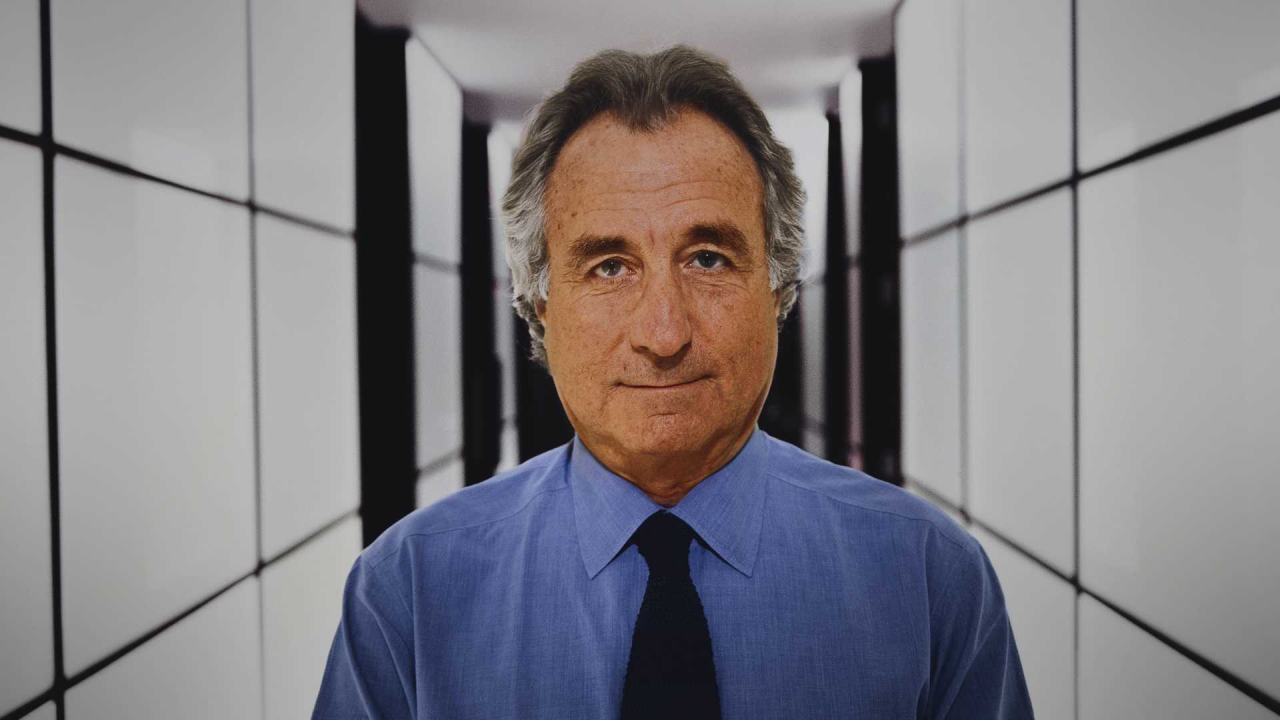
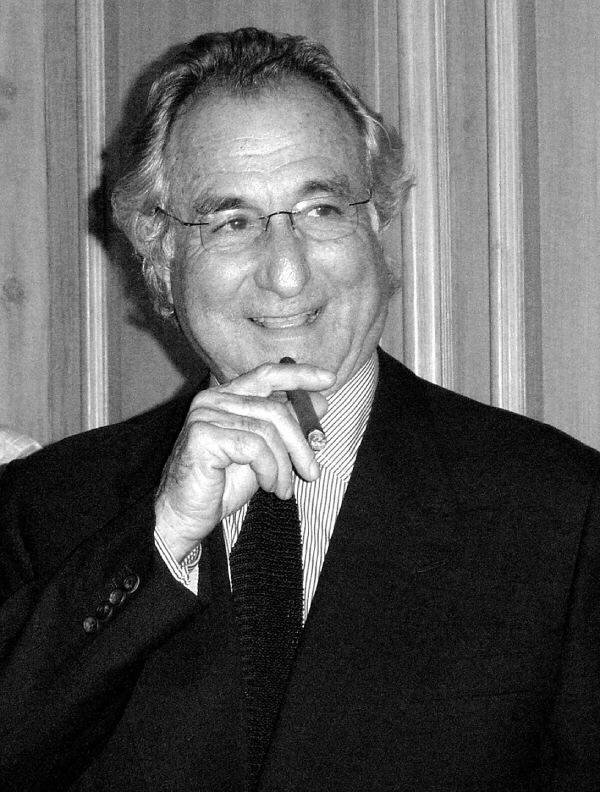
I just finished Netflix’s Madoff: The Monster of Wall Street, and I’ve been sitting with it for a while. It’s a harrowing watch—not because of what Madoff did, which is well-documented, but because of how many people let him do it. There’s something deeply unsettling about a story where the villain practically turned himself in and the institutions designed to catch him looked the other way for decades.
The Scheme That Shouldn’t Have Worked
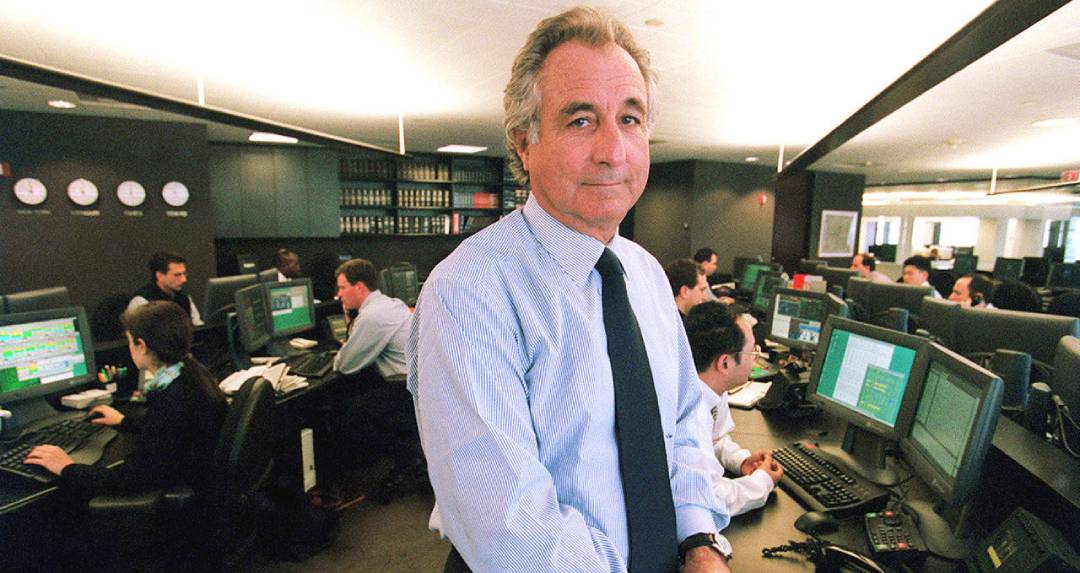
If you don’t know the details, Bernie Madoff ran the largest Ponzi scheme in history—$65 billion in fabricated wealth, spanning at least two decades. The mechanics are almost insultingly simple: he took investors’ money, deposited it in a Chase Manhattan bank account, and paid out “returns” from the same pool. No actual trading. No investment strategy. Just a giant, self-sustaining lie on the 17th floor of the Lipstick Building.
What makes the documentary so effective is that it shows just how many people should have known. The numbers never added up. Madoff’s claimed returns were impossibly consistent—never a down month, year after year. Analyst Harry Markopolos told the SEC it was mathematically impossible within five minutes of looking at the numbers. He spent a decade trying to get someone—anyone—to listen. Nobody did.
The Willful Blindness
The documentary’s real subject isn’t Madoff. It’s the ecosystem that sustained him. The SEC investigated him six times and found nothing. JPMorgan Chase processed billions in suspicious transfers and raised internal concerns but never filed a formal report until after the collapse. Feeder fund managers collected outsized fees for steering money his way without asking basic questions. Charitable foundations handed over their endowments because the returns looked good and everyone else was doing it.
There’s a scene that sticks with me—Madoff himself telling the SEC’s inspector general that catching him would have been easy. “They never even looked at my stock records,” he said. “If you’re looking at a Ponzi scheme, it’s the first thing you do.” He compared the investigators to Lt. Columbo—bumbling, well-meaning, never asking the right question. It’s the kind of detail that makes you laugh and then feel sick.
The Human Cost
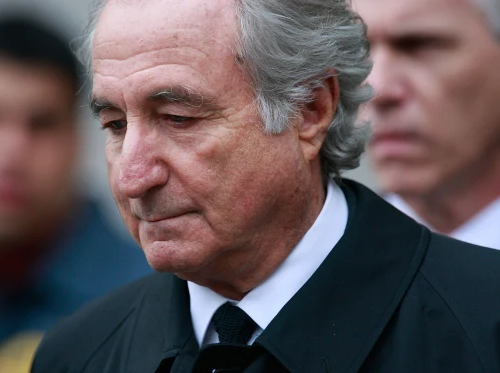
The documentary doesn’t stint on what this cost. Families destroyed. Charities shuttered. People who lost everything. Elie Wiesel’s foundation—gone. Steven Spielberg’s—gone. The Lappin Foundation, which supported Jewish education in Massachusetts—closed. The human wreckage extends far beyond the financial. Mark Madoff, Bernie’s son, took his own life exactly two years after his father’s arrest. Ruth Madoff later revealed she and Bernie attempted suicide together on Christmas Eve 2008.
A Pattern of Institutional Failure
Watching this, I kept thinking back to Cover-Up, the Seymour Hersh documentary I reviewed recently. Different subject, same underlying problem: institutions that are supposed to protect the public instead protect themselves. Hersh spent his career trying to expose truths that governments preferred buried. Markopolos spent his trying to expose a fraud that regulators preferred ignoring. In both cases, the system closed ranks—not through conspiracy, but through something arguably worse: indifference, complacency, and the comfortable assumption that someone else was paying attention.
The parallel isn’t perfect. Hersh’s challenge was political—governments actively suppressing information. Madoff’s enablers were mostly passive, motivated by greed or laziness rather than malice. But the result is strikingly similar: truth that was available to anyone who cared to look, buried under layers of institutional inertia.
Worth Your Time?
If you have any interest in finance, institutional accountability, or how systems fail the people they’re supposed to protect, Madoff: The Monster of Wall Street is essential viewing. It’s not comfortable. It shouldn’t be. The documentary makes clear that Madoff was a criminal, but the system that allowed him to operate for decades was something more insidious—a network of people who chose not to see what was right in front of them.
The four-part series doesn’t offer catharsis. Madoff died in prison in 2021, his ashes unclaimed by his family. The money has been partly recovered, but the trust—in institutions, in markets, in the idea that someone is watching the watchers—hasn’t been. Maybe that’s the most harrowing part of all.
End.
Madoff: The Monster of Wall Street is available on Netflix. Four episodes, approximately 3.5 hours total.