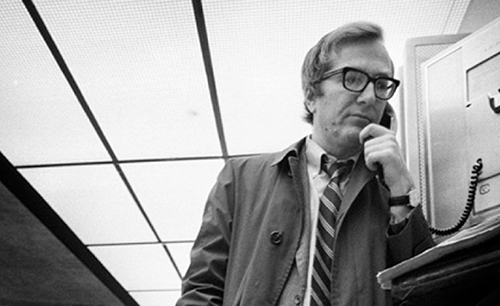
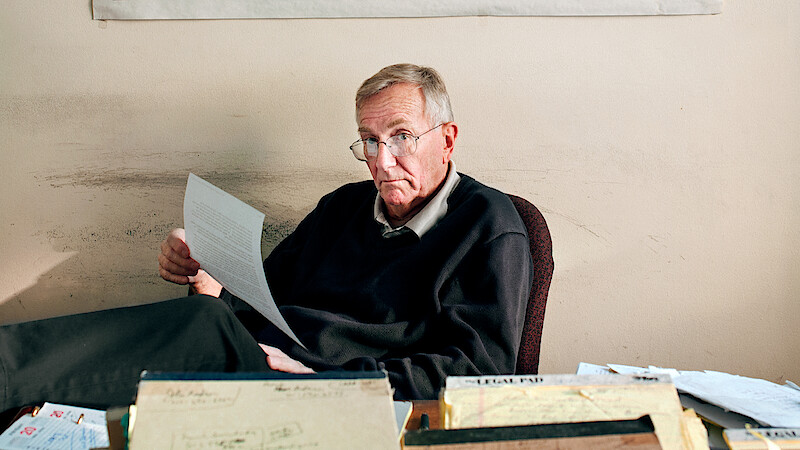
I just finished watching Netflix’s Cover-Up, the documentary about legendary investigative journalist Seymour Hersh, and I’ve been sitting with it for a while. There’s something deeply unsettling about watching a film that asks you to reconsider everything you thought you knew about one of journalism’s most controversial figures.
The Man Behind the Byline
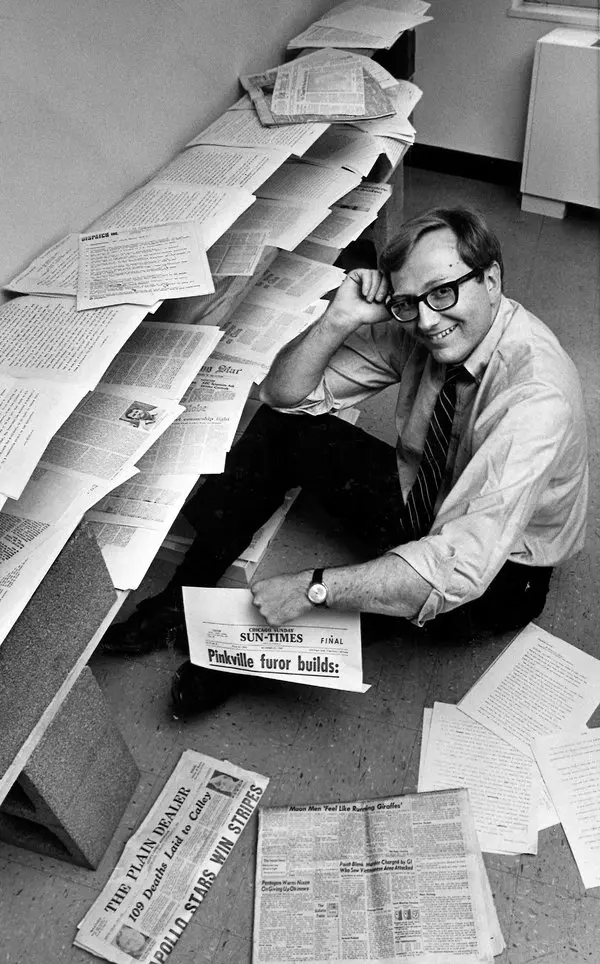
If you’re not familiar with Hersh, he’s the kind of journalist who makes careers out of breaking stories that governments would prefer stayed buried. He exposed the My Lai massacre during Vietnam, brought us news of the CIA’s domestic spying, and most recently, blew the whistle on the Nord Stream pipeline sabotage. The documentary traces this arc—from a young reporter with sources in uncomfortable places to an octogenarian still chasing stories that make intelligence agencies sweat.
What strikes me most is Hersh’s relationship with anonymity. His sources prefer shadows, and he’s always been comfortable keeping them there. The film doesn’t shy away from the criticism this attracts. Journalists, politicians, and intelligence officials all weigh in, and the picture that emerges is complicated.

The Cover-Up Question
The documentary’s title refers to Hersh’s central claim: that the mainstream media has become complicit in covering up uncomfortable truths about American power. He argues that access journalism—the kind that depends on being invited to the right parties—has replaced actual reporting. Whether you agree with him or not, it’s hard to watch this without feeling uneasy about where modern journalism has ended up.
There’s an obvious tension here. Hersh’s critics say he’s become unreliable, too eager to trust sources who may be feeding him disinformation. His supporters counter that he’s being punished for asking the wrong questions. The documentary presents both sides, though it’s clear the filmmakers lean toward giving Hersh the benefit of the doubt.
Connections and Crossovers
Watching this, I couldn’t help but think about the world of covert operations that Hersh has spent his career investigating. There’s real overlap here with figures like Billy Waugh—the Green Beret and CIA operative whose career spanned decades of exactly the kind of black ops that Hersh reports on. Waugh operated in the shadows that Hersh tries to illuminate. Understanding one helps you understand the other.
Both men represent different sides of the same coin: those who carry out covert action, and those who try to expose it. The documentary doesn’t dwell on this connection, but it’s there if you’re thinking about the broader ecosystem of secrecy and disclosure.
Does It Hold Up?
I’ll admit I’m not sure where I land on some of Hersh’s recent claims. The Nord Stream story, in particular, has been met with skepticism from other journalists. But the documentary makes a persuasive case that dismissing Hersh outright might be its own kind of cover-up—not of facts, but of questions we should be asking.
The film is at its best when it lets Hersh talk. He’s 89 years old as of this writing, and there’s a weariness to him, but also a stubbornness that’s almost admirable. He’s not trying to be liked. He’s trying to be right. And he’s aware that history will be the judge.
Worth Your Time?
If you care about journalism, power, and the stories governments tell themselves, Cover-Up is worth watching. It won’t give you easy answers, but it will make you think harder about who gets to decide what’s true.
The documentary doesn’t resolve the debate about Hersh’s legacy. Maybe that’s the point. In an era where truth feels increasingly contested, maybe the best we can ask for is someone willing to keep asking difficult questions—even when the answers make us uncomfortable.
End.
Cover-Up is available on Netflix. Runtime: approximately 90 minutes.